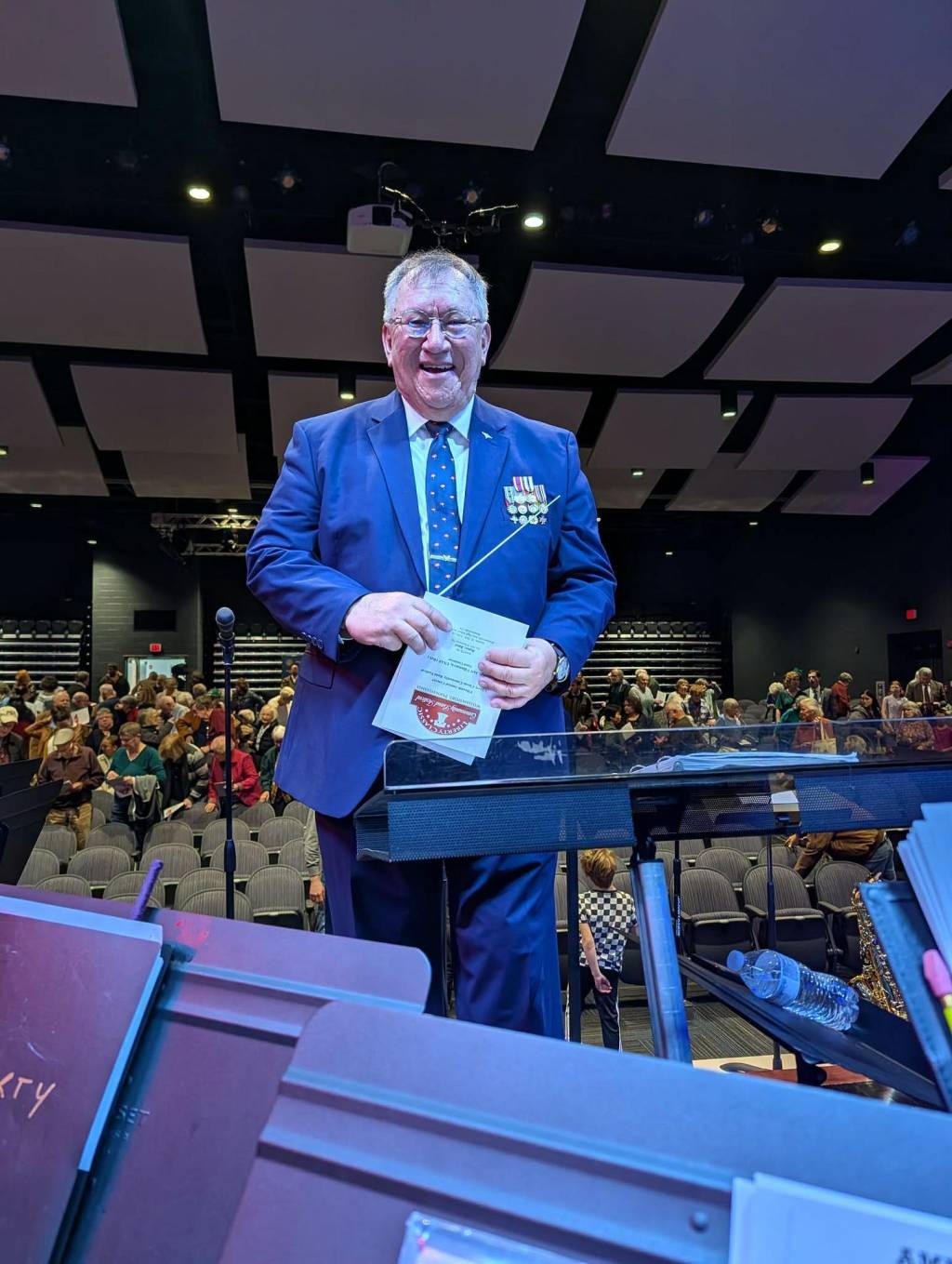
On almost any night of the week, somewhere in America, a community band is rehearsing. Its members may include teachers, engineers, farmers, retirees, students, healthcare workers, and professional musicians. They arrive after work carrying clarinets, trumpets, trombones, percussion equipment, and folders of well-worn music. For a few hours, their occupations and ages recede. They become musicians again.
Community bands provide something that professional orchestras and school ensembles cannot: a lifelong musical home for people who play primarily for fulfillment, fellowship, and service. Free from grades, auditions for academic credit, and the demands of professional performance, these volunteer ensembles make music accessible both to their members and to the communities they entertain.
Yet their importance extends far beyond weekly rehearsals and concerts in local parks. Festivals, conventions, and adult band camps bring musicians together across cities, states, and even countries. These gatherings create ambitious musical experiences, enduring friendships, and a sense of belonging that participants often describe in one word: family.
Many instrumentalists stop playing after high school or college. Without rehearsals on the calendar or a conductor expecting them to prepare, instruments are placed in closets and left untouched. Careers, families, and other responsibilities take over. Community bands offer a path back.
The conductor’s role is therefore different from that of a director leading a professional or academic ensemble. The community-band conductor must pursue excellence while recognizing the varied abilities, goals, and experiences in the room. The best conductors serve not merely as judges of accuracy but as facilitators who help people contribute meaningfully to a shared result.
A community band is a community of practice: people learn by doing something together. Musicians exchange advice, model good habits, encourage improvement, and hold one another accountable. Experienced players mentor those who are still developing, while younger musicians discover that music does not have to end with graduation.
That intergenerational quality is one of the movement’s distinguishing features. Teenagers may sit beside musicians in their eighties. Retirees share stands with people in the early years of their careers. Differences that might separate them elsewhere become less important when everyone is counting the same rests and preparing for the same entrance.
Rehearsal also provides relief from daily pressure. Playing music requires attention to breath, rhythm, intonation, balance, and the gestures of the conductor. There is little mental room left for workplace concerns or unfinished chores.
These relationships are formed not in spite of the hard work, but partly because of it. Rehearsing difficult music requires people to listen closely, adjust, breathe, and take risks together. Each player is responsible for an individual part, yet the result exists only when those parts become a whole.
Community bands are sometimes treated as pleasant local entertainment – music for a parade, holiday ceremony, or summer evening in the park. They are all of those things, but they are also much more.
They preserve the participatory ideal of music-making. They demonstrate that artistic growth is not reserved for the young or the professional. They give adults permission to be beginners again, provide accomplished musicians with new challenges, and connect generations through a common musical language.
They also strengthen civic life. Free concerts create shared public experiences, while festivals introduce audiences to ensembles and traditions they might otherwise never encounter. In an era when entertainment is increasingly individualized and delivered through screens, a community band remains emphatically local and collective. Musicians assemble in person, breathe together, and create something that disappears as soon as the final note fades.
The deepest reason people join, conduct, and travel with community bands may therefore be simple. Music gives them a place to belong and something meaningful to accomplish with others.


Leave a Reply